
Food trucks may feel like a modern trend, but their story stretches back centuries. What began as simple street carts serving quick meals to workers has evolved into a global food movement one that now includes gourmet menus, strong branding, and scalable business models. Today, food trucks are not just about food; they represent freedom, innovation, and opportunity. To understand why food trucks are shaping the future of the food industry especially in countries like Pakistan we must first explore their fascinating history.
 The Early Days: Street Carts Feeding the Masses
 The Early Days: Street Carts Feeding the Masses
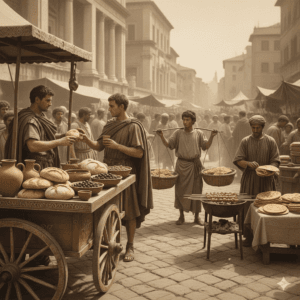
The concept of selling food from a movable setup dates back to ancient civilizations. In ancient Rome, street vendors sold bread, olives, and wine to citizens who lacked kitchens at home. Similarly, in China and the Middle East, mobile food sellers served noodles, kebabs, and flatbreads in busy marketplaces.
Fast forward to the 19th century in the United States, where food trucks began to resemble what we recognize today. In 1866, Charles Goodnight, a cattle rancher, introduced the “chuckwagon”, a horse-drawn wagon equipped with basic cooking tools to feed cowboys on long cattle drives. This innovation is widely considered the direct ancestor of the modern food truck.
Industrial Growth and the Rise of Urban Food Vendors
As cities expanded during the Industrial Revolution, so did the need for fast, affordable meals. Street carts and mobile vendors became common near factories, docks, and construction sites. Hot dogs, sandwiches, coffee, and soups were sold to workers who had little time and money for sit-down meals.
By the early 20th century, food trucks often called “lunch wagons” were a familiar sight in American cities. These wagons were simple, functional, and focused purely on convenience rather than experience or branding.
Mid-Century Decline and Survival
Despite their popularity, food trucks faced challenges during the mid-1900s. Governments introduced stricter regulations, and the rapid expansion of fast-food chains drew customers away. Many cities restricted mobile vendors, seeing them as informal or unregulated businesses.
Yet, food trucks never disappeared. They survived by adapting to serving niche markets such as construction workers, night-shift employees, and event crowds. This resilience laid the foundation for their eventual comeback.
The Gourmet Food Truck Revolution
 The Gourmet Food Truck Revolution
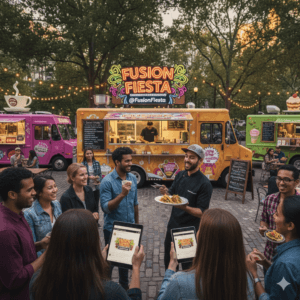
The late 2000s marked a turning point. Rising restaurant rents, social media, and a new generation of chefs seeking creative freedom sparked the gourmet food truck revolution. Suddenly, food trucks were no longer just selling hot dogs, they were offering fusion cuisine, artisanal burgers, specialty coffee, desserts, and chef-driven menus.
Platforms like Twitter and Instagram allowed food trucks to announce locations, build loyal followings, and create strong brand identities. Customers were drawn not just to the food, but to the story, personality, and innovation behind each truck.
Food Trucks Go Global
The success of gourmet food trucks in the West quickly spread worldwide. Countries across Asia, the Middle East, and Europe embraced the model, adapting it to local tastes. Street food culture merged with modern branding, creating a powerful business opportunity.
In Pakistan, food trucks have emerged as a practical and exciting alternative to traditional restaurants. With lower startup costs, flexible locations, and growing youth interest in entrepreneurship, food trucks are becoming a key part of the country’s food economy.
Why Food Trucks Matter More Than Ever Today
Food trucks have become a solution to many modern challenges:
- Lower Investment Risk: Compared to restaurants, food trucks require significantly less capital.
- Flexibility: Owners can change locations, menus, and strategies quickly.
- Youth Empowerment: They provide an entry point for young entrepreneurs with limited resources.
- Innovation: Constant experimentation keeps food trucks exciting and relevant.
Brands like BSF Food Truck show how structured planning and professional execution can turn a mobile kitchen into a long-term modern trend business.
 Pakistan’s Food Truck Evolution and the Role of Big Success Family
 Pakistan’s Food Truck Evolution and the Role of Big Success Family
In Pakistan, the food truck trend is still developing but pioneers are already shaping its future. Big Success Family (BSF) is one such name leading this transformation with vision and structure.
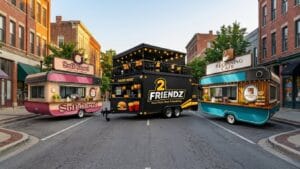
BSF Food Truck is not just a single truck, It’s an ecosystem. Under its umbrella operate multiple brands, including The Beginning Cafe, Soft Cloud and 2 Friendz, each offering a unique concept while maintaining quality, branding, and scalability.
By combining training, licensing support, branding, and menu development, Big Success Family is modernizing the food truck model in Pakistan and aligning it with global standards.
FAQ’s:
Q1: When did food trucks first appear in history?
Food trucks trace back to ancient civilizations, but the modern concept began in the 19th century with chuckwagons and lunch wagons.
Q2: How are food trucks different from street vendors?
Food trucks are fully equipped mobile kitchens with branding, standardized menus, and regulatory compliance, unlike informal street carts.
Q3: Why are food trucks modern trend again?
High restaurant costs, social media marketing, and demand for unique food experiences have fueled their resurgence as modern trend.
Q4: Are food trucks profitable in Pakistan?
Yes, especially with organized support systems like Big Success Family that reduce risk and improve execution.
Q5: What makes BSF Food Truck unique?
BSF offers multiple branded concepts like The Beginning Café and 2 Friendz, along with training, approvals, and business support.
The Road Ahead: From Street Carts to Sustainable Empires
The journey of food trucks from humble street carts to gourmet kitchens on wheels is a story of adaptation and innovation. Today, food trucks represent freedom, creativity, and economic opportunity. In Pakistan, with initiatives like Big Success Family, The Beginning Cafe, Soft Cloud and 2 Friendz, food trucks are no longer temporary setups; they are the foundation of future food brands.
As history shows, when food meets mobility and vision, it doesn’t just feed people it builds movements. And this movement is only just getting started.