
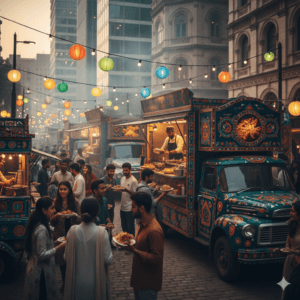
 Urban food culture is no longer confined to brick-and-mortar restaurants, fine-dining halls, or traditional cafes. Over the last decade, food trucks have rolled into cities around the world and quietly transformed how people eat, socialize, and experience food. What started as a simple, low-cost way to sell quick meals has evolved into a vibrant movement that blends entrepreneurship, creativity, and community. Today, food trucks are not just about convenience, they are reshaping the very identity of urban dining.
From Convenience to Culture
Food trucks were once associated mainly with late-night snacks or budget meals near offices and construction sites. Now, they represent a cultural shift. Urban consumers want experiences, not just food. A food truck offers something dynamic: a changing menu, a new location every day, and the excitement of discovering something unexpected. This sense of novelty has made food trucks a cultural symbol of modern city life.
Democratizing Entrepreneurship
One of the biggest impacts of food trucks is how they’ve lowered the barrier to entry in the food business. Opening a traditional restaurant requires heavy investment in rent, interiors, staffing, and utilities. Food trucks, on the other hand, allow aspiring entrepreneurs to start with significantly less capital.
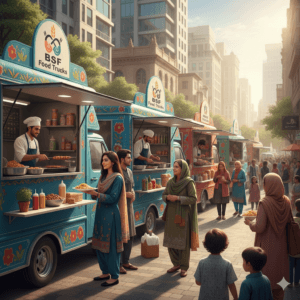
This democratization has given rise to diverse voices in the food industry; home chefs, young graduates, women entrepreneurs, and even people transitioning from unemployment to self-employment. Initiatives like BSF Food Trucks, backed by Big Success Family, have further strengthened this trend by offering structured food truck programs, branding support, and business guidance, making entrepreneurship more accessible and sustainable.
 A Playground for Culinary Innovation
 A Playground for Culinary Innovation
Food trucks thrive on experimentation. Without the pressure of long-term leases or fixed menus, chefs can take risks. Fusion cuisines, seasonal dishes, and limited-edition menus are common. If something works, it stays. If it doesn’t, it’s replaced.
This flexibility has turned food trucks into testing grounds for culinary trends. Many popular restaurant concepts today started as food trucks, proving that innovation often comes from mobility and freedom rather than permanence.
Redefining Public Spaces
Food trucks don’t just serve food; they activate spaces. Empty parking lots, roadside corners, parks, and event venues suddenly become social hubs when a food truck arrives. People gather, conversations start, and a sense of community forms.
In urban areas where public spaces often feel rushed or impersonal, food trucks create moments of pause and connection. Cities benefit too, well-managed food truck zones can enhance tourism, support local economies, and bring life to underused areas.
Speed, Accessibility, and Modern Lifestyles
Urban life is fast. People want good food without long waits or formal settings. Food trucks cater perfectly to this rhythm. They offer quick service, transparent cooking, and easy pricing.
For students, office workers, freelancers, and families, food trucks fit naturally into daily routines. Whether it’s a quick lunch, an evening snack, or a weekend outing, food trucks adapt to the consumer instead of the other way around.
 Social Media and the Food Truck Boom
 Social Media and the Food Truck Boom
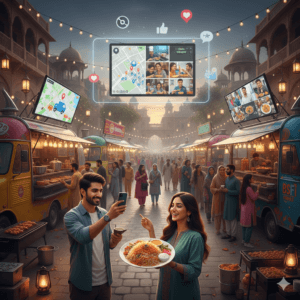
Social media has played a massive role in shaping modern food truck culture. Instagram able dishes, live location updates, reels, and customer shout-outs help food trucks build loyal communities.
Unlike traditional restaurants that rely heavily on foot traffic, food trucks leverage digital visibility. A single viral post can attract hundreds of customers in one evening. Brands like BSF Food Trucks integrate this digital-first mindset by helping vendors with branding, online presence, and storytelling essential tools in today’s urban food scene.
Economic Impact on Cities
Food trucks contribute significantly to local economies. They create jobs, support local suppliers, and encourage micro-business growth. Many cities now recognize their value and are developing policies to regulate and support them rather than restrict them.
Structured programs, such as those offered by Big Success Family, also ensure compliance with hygiene standards, licensing, and operational training, helping food trucks become a legitimate and respected part of the urban food ecosystem.
Cultural Diversity on Wheels
Urban cities are melting pots of cultures, and food trucks reflect this diversity beautifully. From traditional street foods to global cuisines, food trucks bring flavors from different regions into one shared space.
This exposure fosters cultural understanding and appreciation. A person might try a cuisine they’ve never experienced before, simply because a food truck made it accessible, affordable, and inviting.
FAQ’s:
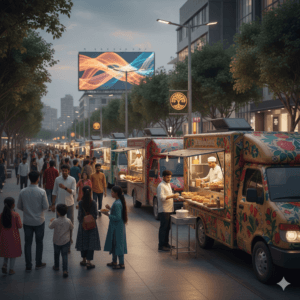
1. Why are food trucks becoming so popular in cities?
Food trucks are popular because they combine affordability, convenience, variety, and experience. They suit fast-paced urban lifestyles and offer unique food options without the formality of restaurants.
2. Are food trucks profitable compared to restaurants?
Yes, food trucks often have lower startup and operating costs, which can lead to faster break-even and better profit margins if managed well.
3. How do food trucks impact local communities?
They create jobs, activate public spaces, support local suppliers, and foster social interaction, contributing positively to urban communities.
4. What role does branding play in food truck success?
Branding is crucial. A strong name, visual identity, and online presence help food trucks stand out in competitive urban markets. Programs like BSF Food Trucks focus heavily on this aspect.
5. Can food trucks grow into bigger businesses?
Absolutely. Many successful restaurants and food chains started as food trucks. With the right support, scaling is very achievable.
The Road Ahead
Food trucks are no longer a trend, they are a permanent fixture in urban food culture. They represent freedom, creativity, and resilience in an ever-changing city landscape. As structured initiatives like BSF Food Trucks continue to professionalize the sector by offering training, branding, and long-term growth models, food trucks are set to play an even bigger role in shaping how cities eat, connect, and grow.
In the end, food trucks remind us that great food doesn’t need walls, it just needs wheels, vision, and a city ready to taste something new.